Dog Health Conditions and Diseases: What to Know
Many serious dog illnesses begin quietly. A dog drinks a bit more, skips a meal or seems tired, and it’s easy to blame the weather or age. This section covers conditions that need a proper diagnosis and often lifelong management, so you know which small changes are worth a vet visit.
Articles
Why these conditions are hard to spot
Organs like the kidneys and adrenal glands have a lot of spare capacity. A dog can lose most of a kidney’s working tissue before it shows any outward sign. Think of a team that keeps finishing the project because a few people quietly work double shifts. Nobody notices until the last few people are stretched too thin.
Other conditions, such as Addison’s disease, come and go. A dog may look unwell for a few days, then bounce back after a drip at the vet or a calm weekend at home. That pattern fools owners and sometimes vets, which is why a record of what you’ve seen is so useful.
Early clues worth acting on
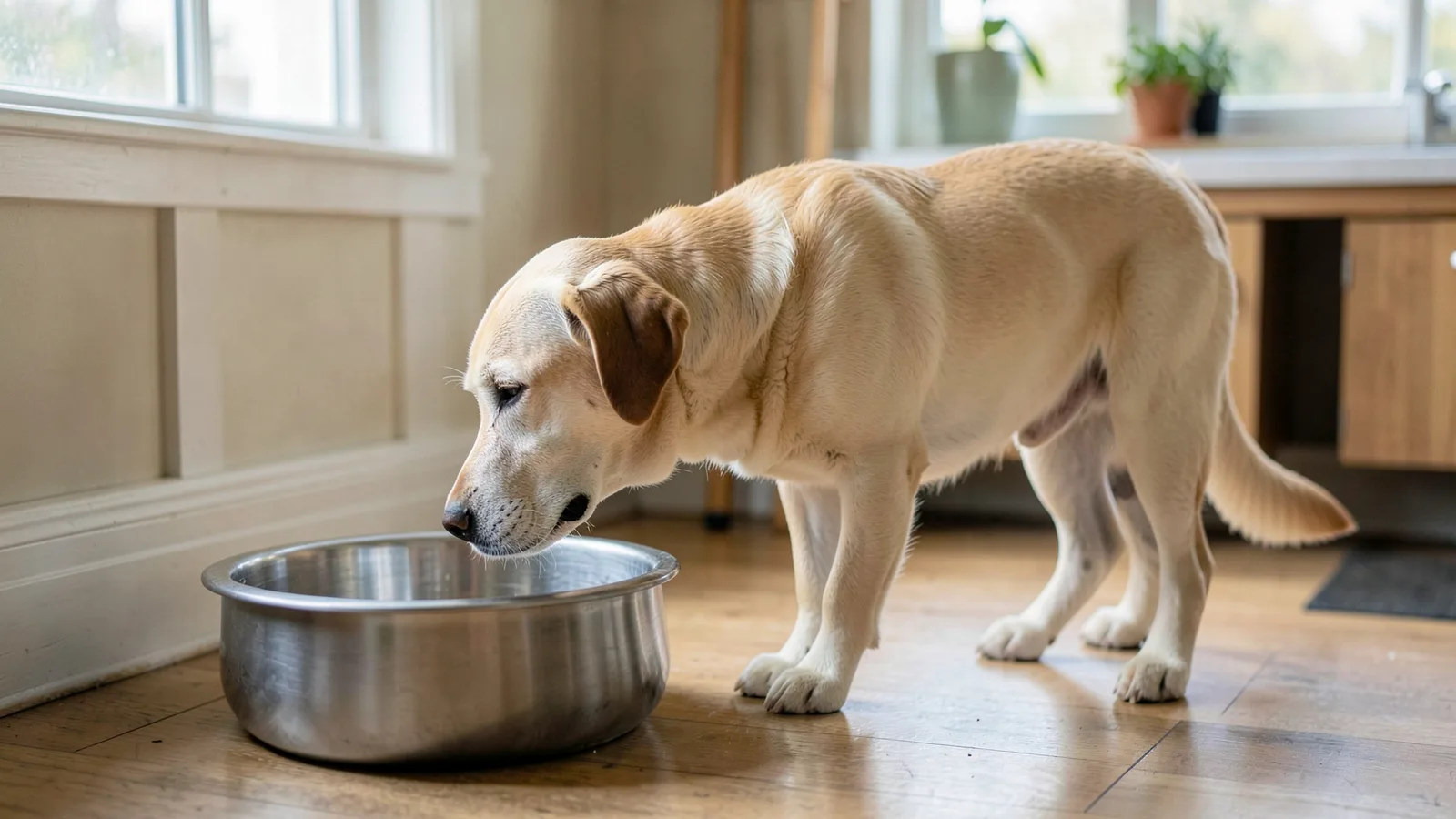
Changes in thirst and urination are the classic early warning. If your dog is emptying the water bowl faster, asking to go out more often or having accidents indoors, mention it to your vet. Repeated vomiting or diarrhea, weight loss, a poor appetite and unusual tiredness also deserve a call, especially if they keep returning.
Sudden collapse, severe weakness or vomiting that won’t stop is different. That’s an emergency and shouldn’t wait for a regular appointment. If your dog may have eaten something toxic, such as grapes or raisins, see our guide to [poisoning emergencies](/poisoning-emergencies/).
| Condition | Typical first signs | Outlook |
|---|---|---|
| Chronic kidney disease | More drinking and urinating, then weight loss and poor appetite | Can’t be cured but can often be managed for months or years |
| Acute kidney injury | Sudden loss of appetite, vomiting, tiredness | Guarded, but some dogs recover with fast treatment |
| Addison’s disease | Vague, on-and-off vomiting, diarrhea, tiredness | Good to excellent with lifelong medication |
Living with a long-term diagnosis
A diagnosis can feel overwhelming, but many of these conditions are manageable. Dogs with Addison’s disease on treatment can live a normal lifespan, and dogs with early kidney disease often enjoy good quality of life for a long time. The routine is usually regular blood tests, a steady diet and medication given on schedule.
Your vet will adjust the plan over time, so keep notes on appetite, thirst, energy and stools. Small details like a skipped meal or a restless night help your vet fine-tune treatment before a problem becomes a crisis.
Common questions
When should a change in thirst worry me?
If your dog is drinking and urinating noticeably more for more than a day or two, and the weather, exercise or a new salty food don’t explain it, book a vet visit. Increased thirst is an early sign of several conditions, including kidney disease, diabetes and Cushing’s disease.
Can a dog with a chronic condition still have a good life?
Often, yes. With treatment, dogs with Addison’s disease usually have a normal lifespan, and dogs with kidney disease can stay comfortable for months or years depending on the stage. Regular check-ups matter, because treatment needs adjusting over time.
Should I wait and watch if my dog seems a bit off?
Watching for a day is reasonable if your dog is bright, eating and drinking normally. If signs last longer, keep returning, or include repeated vomiting, collapse or no eating, call your vet. Vague signs that come and go are still worth a check.
Reviewed by Winzah, Editor, on . How we research and check articles.